

Plan to save money effectively practical strategies. Learn easy tips to manage spending, automate savings, and reach your financial goals faster
Plan to Save Money: Your Ultimate Guide to Building Savings
Saving money is not just about putting aside leftover cash; it requires a thoughtful plan to manage income and expenses effectively. A solid money-saving plan ensures financial security, creates a buffer for emergencies, and helps achieve long-term goals like buying a home or retirement. Whether you aim to build an emergency fund, save for a vacation, or invest for the future, having a disciplined saving strategy maximizes your chances of success.
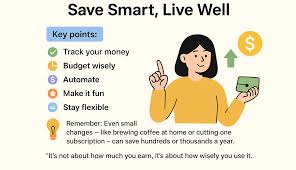
Start by tracking your spending meticulously. Knowing exactly where your money goes is the foundation of any savings plan. Write down every expense or use budgeting apps to categorize spending patterns. This awareness helps identify unnecessary costs and areas where you can cut back without sacrificing essentials.
Automating your savings can be a game-changer. Set up automatic transfers from your checking to your savings account each pay period. This “pay yourself first” approach minimizes the temptation to spend extra money and ensures consistent growth in your savings over time. Apps and banking tools that round up purchases and save the spare change are helpful, especially for those new to saving.
Another useful method is the 30-day rule on non-essential purchases. When you feel the urge to buy something impulsively, delay the purchase by 30 days. This cooling-off period often reveals that many wants are fleeting, helping you avoid unnecessary spending and redirect those funds to savings.
FAQ’S
What is a one-month money saving plan?
Track expenses, create a strict budget, and automate transfers to save 10-20% of income in 30 days by cutting non-essentials.
How do I start saving money in just one month?
Track spending for a week, budget 50% essentials/30% wants/20% savings, and automate post-payday transfers to high-yield accounts.
What are realistic savings goals for one month?
Aim for $200-$500 or one month’s basics in an emergency fund, using separate buckets for motivation.
How can I cut expenses quickly in 30 days?
Run no-spend challenges, meal plan with sales lists, use cash-only days, and review bills for cuts.
Pingback: NO 1 Wealth Building for Creators Strategies - cathcrowleyauthor.com