
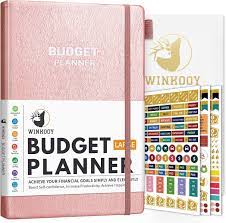
Simple Budgeting strategies designed to help you reach your saving goals faster. Learn practical tips, simple blueprints, and answers to common budgeting questions.
When bills keep piling up and pay cheques don’t seem to go far enough, saving money can feel like an enormous task. Effective budgeting is essential to achieving your savings objectives and achieving financial stability. A well-structured budget is a strong blueprint that helps you take charge of your finances, make future plans, and reduce stress. It is not about imposing restrictions. This is an easy-to-follow introduction to basic budgeting plans that you may use right now to reach your savings objectives.
The Significance of Simple Budgeting in Saving
Being deliberate with your money is the essence of budgeting, which goes beyond simply keeping track of your spending. It’s simple to overpay on non-essentials and forget your financial goals when you don’t have a budget. A budget helps you prioritise your spending, makes it clear where your money is going, and finds ways to save more.
Blueprint 1: The Rule of 50/30/20
The 50/30/20 rule is among the most straight forward and successful budgeting techniques. Your after-tax income is split into three spending areas according to this plan:
50% of needs are necessities like rent, groceries, utilities, and transportation.
30% Wants: Extraneous expenses such as hobbies, entertainment, subscriptions, and eating out.
20% savings can be used for debt repayment, emergency savings, retirement contributions, or other savings objectives.
The Budgeting simplicity and balance of this rule are its strongest points. It prioritises saving consistently and promotes living within your means while still making time for fun.
Blueprint 2: Budgeting Based on Zero
Every dollar of your income must have a purpose, whether it is for savings, bills, or discretionary expenditure, according to zero-based simple budgeting. By the end of the month, you want your income less your expenses to equal zero.
How to do it:
Determine how much money you make each month.
Make a list of all your spending and savings goals.
Set aside money for each category until your income less your expenses is zero.
This plan is great for people who want exact control over every penny and want to maximise savings by reducing wasteful expenditure because it holds people accountable.
Blueprint 3: Budgeting via Envelope
A tactile, cash-based method called envelope budgeting allocates specific sums of money to certain spending categories. The allocated sum for travel, entertainment and groceries is included in each envelope. Spending in that category for the month must cease when the funds in an envelope run out.
Although this approach necessitates self-control, it may be quite successful in reining in impulsive purchases and giving your expenditures a concrete form. These days, budgeting applications that digitally replicate this idea are used.

First, Blueprint 4: Automated Savings
This design reverses the process of conserving what is left over after spending. Establish direct payments to your savings account as soon as your pay cheque arrives to automate your savings.
This “pay yourself first” approach lessens the temptation to spend the money you had planned to save and fosters good saving habits. You can achieve your savings objectives more quickly if you combine this with any of the budgeting plans mentioned above.
How to Make Your Budget Work
Monitor Your Expenditures: Keep track of where every rupee goes by using apps, spreadsheets, or a notebook; this raises awareness and identifies wasteful spending.
Establish Specific, Achievable Goals: Having clear, attainable goals encourages persistence, whether you’re saving for an emergency, purchasing a property, or organising a trip.
Evaluate and Modify Every Month: Since your income and expenses can change, review your budget frequently and adjust the allocations as necessary.
Reduce Non-Essentials: To free up funds for savings, determine which subscriptions or routines you can cut back on or do away with.
Be Consistent: creating a budget is a long-term habit rather than a quick remedy. Over time, discipline and patience will pay off.
Frequently Asked Questions (FAQs)
Q1: How much should I save each month?
Aim to save at least 20% of your income if possible. However, even small consistent amounts add up over time. Adjust based on your financial situation.
Q2: What if my expenses are higher than my income?
Reassess your expenses critically. Focus on cutting discretionary spending and look for ways to increase income. It may require temporary sacrifices to get back on track.
Q3: Can budgeting help with debt repayment?
Absolutely. Incorporate debt payments into your budget under savings or financial goals. Prioritize high-interest debts for quicker payoff and improved credit health.
Q4: Are budgeting apps necessary?
Not necessary, but they can help. Some people benefit from digital tools that automate tracking and provide visual insights, while others prefer manual methods.
Pingback: Smart and Simple Plan to Save Money in 1 Month - cathcrowleyauthor.com
Pingback: National Budget Circular 2026: 7 Critical Stats -