
Learn how a portfolio budget statement helps in smart wealth building, better investment planning, risk control, and long-term financial growth.
Portfolio Budget Statement: A Guide to Smart Wealth Building
Wealth creation is more than just increasing income, it should include how money is managed, allocated and grown strategically. One of the most frequently under utilized resources for planning personal finances/investments is through the use of a Portfolio Statement. This essential financial report allows you to have systematic oversight over your investments, expenses, and future wealth goals. In this guide, we will provide an introduction to what does a Budget Statement does, the importance of having one and how it can assist with building a wealth strategy that is both effective and sustainable over time.
What Is a Portfolio Budget Statement?
A Budget Statement contains your financial planning based on how the total portfolio will be allocated within the future for future needs. It shows you how to invest in a variety of different ways through time to achieve your desired outcome.
In other words, a Portfolio Statement will provide answers to the following questions:
- Where am I currently allocating my money?
- How much money do I put in each of the different assets?
- Do my financial plans match up with my wealth-building plans?
Why a Portfolio Budget Statement Is Important for Wealth Building
Portfolio Budget Statement vs Traditional Budget
A lot of people get portfolio budgeting mixed up with the way of budgeting but the thing is, portfolio budgeting and traditional budgeting are not the same thing they do different things. Portfolio budgeting and traditional budgeting have jobs.
Traditional Budget Portfolio Budget Statement
Focuses on monthly expenses Focuses on long-term investments
Short-term planning Long-term wealth strategy
Income vs expenses Asset allocation & growth
Daily spending control Financial freedom planning
A portfolio statement goes beyond expense tracking and helps create a wealth-focused mindset.
Key Components of a Portfolio Budget Statement
Lifestyle expenses, debts, and regular expenses.
How a Portfolio Budget Statement Supports Smart Wealth Building
A portfolio statement supports smart wealth-building and planning. It allows an individual to assess their risk appetite by:
- Allocating funds based on risk appetite.
- Avoiding emotional measures of investments.
- Balancing both savings and investment.
- Achieving financial independence.
The statement of your budget statement will lead to a greater purpose behind your purchases.
Expert Tips to Improve Your Budget Statement
- Consider investments across multiple asset classes
- Prioritize savings before spending
- Concentrate on long-term returns versus short-term volatility
- Use both data and performance metrics, and Align your investment portfolios with your overall wealth-building goals.
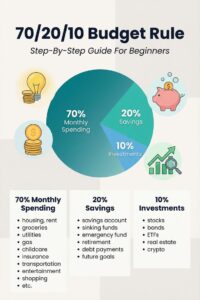
Implementing these strategies developed by experts could lead to substantial improvements to an investor’s performance.
FAQs About Portfolio Statement
Is a budget statement good for beginners?
Yes, it helps beginners build financial discipline and clarity.
Can a portfolio statement help build wealth?
Absolutely. It promotes smart allocation and long-term growth.
Do I need professional help to create one?
No, basic portfolio budgeting can be done independently.
How often should I update my statement?
Ideally, you should review it monthly and update it quarterly to stay aligned with market changes and financial goals.
What is the biggest benefit of a budget statement for wealth building?
Its biggest benefit is helping you manage risk while consistently growing wealth through smart investment planning.
Pingback: 7 Step Financial Planning Process | Build Wealth guide -
Pingback: Investment Property Calculator: 7 Steps to Profit -
Pingback: Brand Deals for Content Creator: 7 Easy Way to Boost Earning -
Just tried out nohuvip and gotta say, it’s pretty slick! Easy to navigate and smooth experience. Thumbs up from me! Check it out here: nohuvip